Health & Care
Nutrition and Feeding Guidelines for Active Pointers
2026-04-08
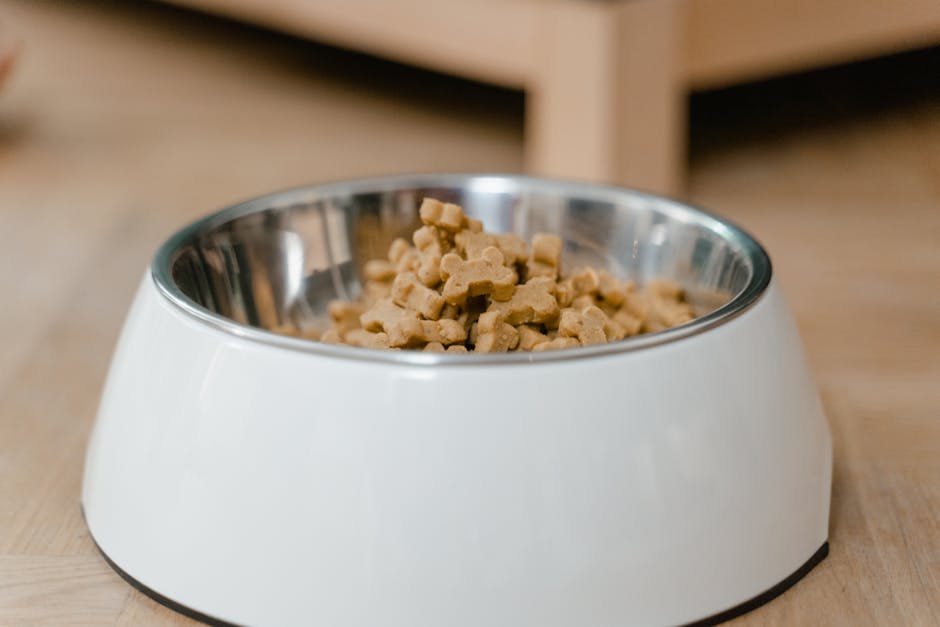
Pointers are high-energy working dogs that burn calories quickly. Feeding them appropriately is crucial for maintaining muscle condition, energy levels, and overall health. Their nutritional needs differ significantly from less active breeds.
Caloric Requirements
An adult pointer typically needs between 1,200-1,600 calories daily, depending on size, age, and activity level. Working or competing pointers may need even more. Overweight pointers are prone to joint problems and reduced lifespan, so accurate feeding is important.
Protein and Fat
Pointers need high-quality protein (at least 18-25% for adults, higher for puppies and working dogs) to build and maintain muscle. Fat content should be around 12-15% to support energy and coat health. Look for named meat sources as the first ingredients, not meat meal or by-products.
Feeding Schedules
Puppies under six months should eat three to four times daily. From six months to one year, reduce to twice daily. Adult pointers do well on one or two meals daily. Splitting the daily amount into two meals can help prevent bloat, a serious condition in deep-chested breeds.
Commercial vs. Raw Feeding
Quality commercial dog foods formulated for active breeds work well for most pointers. Premium brands often have better ingredient quality and digestibility. Some owners prefer raw feeding, which can be excellent if properly balanced, but requires research to ensure nutritional completeness.
Feeding After Exercise
Avoid feeding immediately before or after strenuous exercise, as this increases bloat risk. Wait at least one hour after vigorous activity before feeding, and at least two hours after feeding before intense exercise.
Supplements and Treats
Young, growing pointers benefit from joint supplements containing glucosamine and chondroitin, particularly if they'll do field work. Omega-3 supplements support coat and cognitive health. Treats should comprise no more than 10% of daily calories.
Signs of Good Nutrition
- Shiny, healthy coat with no excessive shedding
- Good muscle definition visible under the coat
- Ribs easily felt but not prominently visible
- Steady energy levels throughout the day
- Healthy digestion with firm stools
- Alert, bright eyes
Special Considerations
Senior pointers (over 7 years) may need adjusted nutrition with lower calories and additional joint support. Puppies require specially formulated large-breed growth diets to prevent developmental orthopedic disease.
Always transition gradually to new foods over 7-10 days to avoid digestive upset. Consult your veterinarian if your pointer seems underweight, overweight, or has coat or digestive issues. Regular weigh-ins help catch weight changes early, ensuring your pointer stays healthy and energetic throughout their life.