Training
Essential Training Tips for Pointer Puppies
2026-04-20
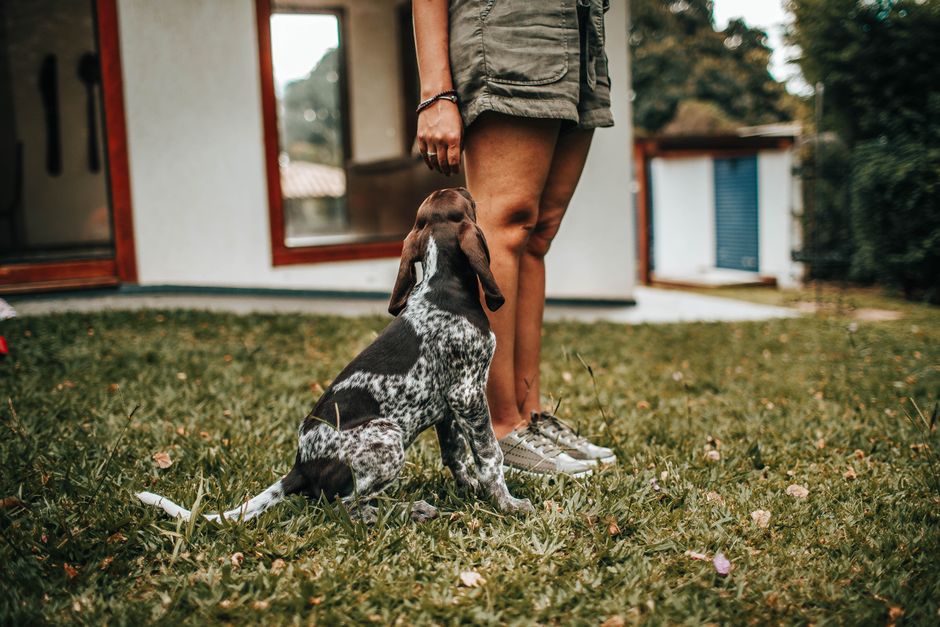
Pointer puppies are intelligent and eager to please, but their high energy and prey drive require structured, consistent training from day one. Early training sets the foundation for a well-behaved adult dog.
Begin with Socialisation
Between 3-16 weeks of age, your puppy is in a critical socialisation window. Expose them to different environments, people, sounds, and other animals in controlled, positive ways. This prevents fear-based behaviours later in life. Take your puppy to puppy training classes where they can interact with other young dogs safely.
House Training
Pointer puppies can be stubborn about house training. Establish a consistent routine: take your puppy outside first thing in the morning, after meals, after playtime, and before bedtime. Reward immediately with praise and treats when they toilet outside. Accidents will happen—never punish them, as this creates fear and confusion.
Managing Prey Drive
Pointers have strong prey drives. Don't allow chasing of cats, small animals, or children running away. Redirect this energy into appropriate games like fetch and retrieval work. Training a reliable "drop" command is essential for safety.
Recall Training
A pointer off-lead is a pointer that might not come back. Start recall training early in low-distraction environments. Use high-value rewards—special treats they only get for recall. Gradually increase difficulty by training in busier areas. Never call your puppy to you for something unpleasant like nail trimming or leaving the park.
Bite Inhibition
Puppies use their mouths to explore. Teach gentle mouthing by yelping loudly when they bite too hard and stopping play. Provide appropriate chew toys to redirect biting behaviour.
Crate Training
Introduce a crate as a safe space, not a punishment. Leave the door open initially and reward your puppy for entering. Gradually close the door for short periods while you're present. A properly crate-trained pointer settles easily during travel and vet visits.
Common Mistakes to Avoid
- Starting training too late—begin immediately at 8 weeks
- Inconsistency between family members
- Allowing jumping up as "cute" in puppies
- Insufficient exercise before training sessions
- Using punishment-based methods
Consistency is key with pointers. Everyone in your household must apply the same rules and commands. Keep training sessions short (5-10 minutes) and fun, as pointers are sensitive and lose interest in repetitive work.
Consider working with a qualified positive reinforcement trainer, particularly if you're new to dog ownership. Many offer puppy-specific classes that teach both you and your puppy essential skills together.